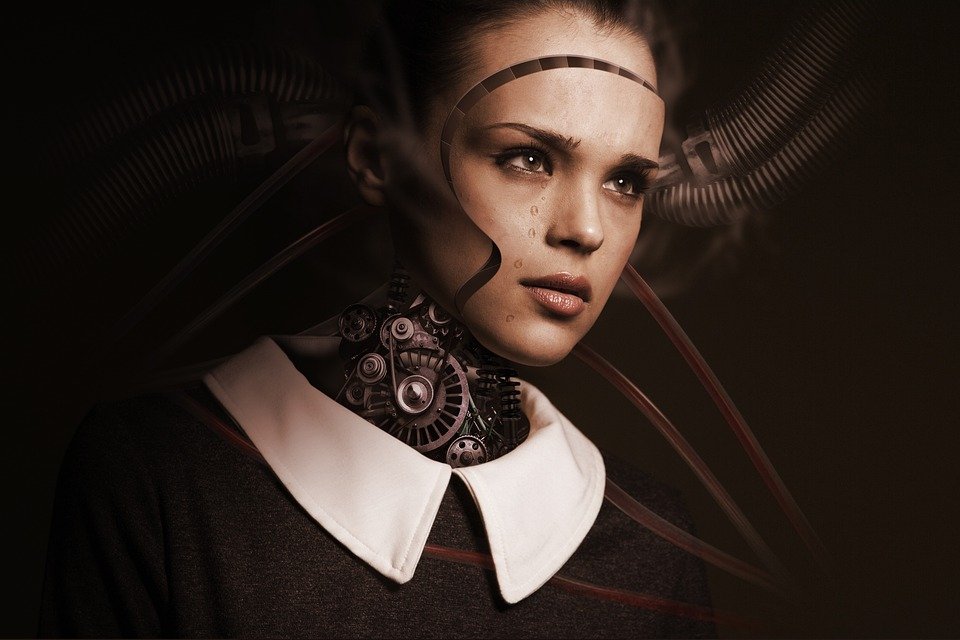
Artificial intelligence and online social networking are redefining how humans connect, communicate, and share online. Discover how AI enhances personalization, security, and engagement in digital platforms.
1. Introduction to AI in Online Social Networking
Artificial Intelligence (AI) is reshaping how people connect, share, and express themselves across the digital world. From automated recommendations on YouTube to facial recognition tags on Facebook, AI quietly powers nearly every interaction online. The fusion of artificial intelligence and online social networking isn’t just about convenience—it’s about redefining the fabric of human interaction.
Social media platforms like Instagram, TikTok, and Twitter have evolved from simple sharing tools to intelligent ecosystems that learn from user behavior. They anticipate our interests, filter our feeds, and even recommend people we might know. In short, AI makes the digital world feel more personal, predictive, and powerful.
2. The Role of Artificial Intelligence in Modern Digital Communication
AI has become the invisible hand guiding conversations, content, and connections across social platforms. Whether it’s a chatbot responding to messages on Instagram or TikTok’s algorithm curating endless entertainment, AI has taken center stage.
2.1 Evolution of AI in Social Media
The early days of social networking were manual—users had to search, sort, and select content. But as platforms grew, data exploded. AI emerged as the answer to manage, analyze, and optimize this flood of information. From Facebook’s early newsfeed algorithms to Twitter’s AI-driven trends, the evolution has been nothing short of revolutionary.
2.2 Integration Across Popular Platforms
Every major platform employs AI differently:
- Facebook: Detects harmful content and enhances ad targeting.
- Instagram: Curates posts and Reels based on engagement patterns.
- LinkedIn: Suggests jobs and connections through machine learning.
- TikTok: Masters predictive personalization through AI-powered engagement loops.
These integrations make AI the cornerstone of user experience.
3. AI-Powered Personalization: Tailoring Experiences for Every User
AI excels at personalization. It studies user behavior—likes, comments, and viewing times—to serve content tailored uniquely to each individual. This ability keeps users scrolling longer and engaging deeper.
3.1 Personalized Feeds and Content Curation
Algorithms like Facebook’s EdgeRank or TikTok’s For You Page depend on AI to decide what appears in your feed. The result? A hyper-personalized content stream that reflects not just your interests, but your emotions and habits.
3.2 Predictive Analytics and Behavioral Insights
AI uses predictive models to forecast user desires before they’re expressed. Netflix and Spotify apply similar principles—anticipating what users want next. In social networking, this translates into smarter content suggestions and engagement prompts.
4. AI and Social Media Marketing: Smarter Strategies for Engagement
Marketing has entered the age of intelligence. Brands now rely on AI-driven data to identify audiences, craft messages, and track performance with surgical precision.
4.1 Automated Ad Targeting
AI analyzes demographics, interests, and real-time behavior to place ads where they’ll have the most impact. This ensures marketing budgets are spent efficiently, reaching the right audience at the right time.
4.2 Influencer Analytics and Trend Prediction
Marketers use AI to analyze influencer authenticity, engagement rates, and audience overlap. Tools like HypeAuditor and Upfluence use machine learning to identify genuine influencers—minimizing fake collaborations and maximizing ROI.
5. Combating Fake News and Misinformation through AI
The rise of digital communication brought along a darker side—misinformation and deepfakes. AI is now the watchdog, scanning billions of posts daily to identify and suppress false content.
5.1 Content Moderation Algorithms
Platforms employ AI-driven moderation systems to flag hate speech, spam, and harmful content. For example, Facebook’s “DeepText” AI understands linguistic nuances to detect toxic language instantly.
5.2 Deepfake Detection and Verification Tools
Deepfakes—AI-generated videos that mimic real people—pose serious risks. Advanced AI models are now trained to spot facial inconsistencies, irregular lighting, or unnatural voice patterns to expose such manipulations.