Health Tips for Better Sleep Proven Ways to Improve Sleep Quality Naturally
Health tips for better sleep that help you fall asleep faster, sleep deeper, and wake refreshed using science-backed natural sleep strategies.

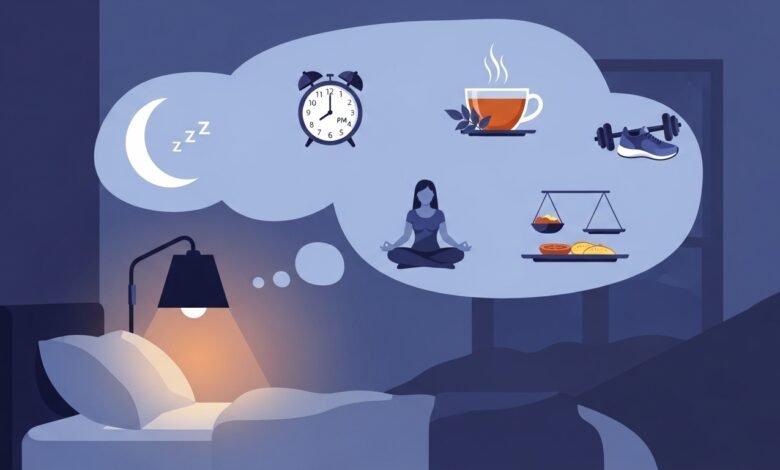
In today’s fast-paced digital world, quality sleep has become a luxury instead of a necessity. Millions of people struggle every night with tossing, turning, and restless thoughts. That is why learning and applying effective health tips for better sleep is no longer optional but essential for both physical and mental well-being. Poor sleep affects energy levels, focus, mood, immunity, weight, and even long-term heart health. When sleep quality drops, productivity and emotional balance often collapse with it.
Scientific research confirms that improving sleep habits can dramatically enhance overall health without relying on medications. By understanding how sleep works and making small but powerful lifestyle changes, anyone can experience deeper, longer, and more restorative sleep. This guide shares expert-backed health tips for better sleep, designed to help you improve sleep quality naturally, regulate your sleep cycle, and wake up refreshed every morning.
Sleep and Its Impact on Overall Health
Sleep is a biological process that allows the brain and body to recover, repair, and reset. During sleep, hormones are balanced, memories are consolidated, and muscles regenerate. When sleep is disrupted, these vital processes suffer.
Chronic sleep deprivation has been linked to weakened immunity, increased stress levels, hormonal imbalance, anxiety, depression, obesity, and cardiovascular disease. People searching for natural sleep remedies, how to sleep better at night, and insomnia solutions are often unknowingly dealing with poor sleep hygiene rather than medical disorders. Understanding sleep cycles, including deep sleep and REM sleep, is the foundation for applying effective health tips for better sleep that actually work.
Health Tips for Better Sleep Through Consistent Sleep Scheduling
One of the most powerful but overlooked health tips for better sleep is maintaining a consistent sleep and wake schedule. The human body operates on a circadian rhythm, which regulates sleep, hormones, digestion, and body temperature.
Going to bed and waking up at the same time every day trains the brain to release melatonin at the correct time. Inconsistent sleep schedules confuse the internal clock and often lead to difficulty falling asleep, light sleep, or early waking.
Even on weekends, maintaining a steady routine improves sleep quality, reduces fatigue, and supports mental clarity throughout the day. People searching for how to fix sleep schedule often find that consistency alone creates dramatic improvement.
Creating the Ideal Sleep Environment for Deeper Rest
The sleep environment plays a major role in how quickly and deeply you fall asleep. One of the most effective health tips for better sleep is optimizing your bedroom to support relaxation. A dark room encourages natural melatonin production. Excess light from phones, street lamps, or televisions interferes with sleep signals. Silence or gentle white noise helps the nervous system stay calm throughout the night. Temperature also matters, as cooler rooms promote deeper sleep cycles.
Comfortable mattresses, supportive pillows, and breathable bedding significantly affect sleep posture and spinal alignment. Many people searching for best sleep environment underestimate how much physical comfort influences sleep depth.
The Role of Nutrition in Health Tips for Better Sleep
What you eat directly affects how you sleep. Certain foods promote relaxation, while others stimulate the nervous system. One of the smartest health tips for better sleep is aligning your diet with your sleep goals.
Heavy meals late at night strain digestion and disrupt sleep cycles. Caffeine consumed in the afternoon or evening can stay in the body for hours, blocking melatonin release. Excess sugar causes blood sugar spikes that lead to night awakenings.
On the other hand, foods rich in magnesium, tryptophan, and complex carbohydrates support relaxation and serotonin production. People searching for foods that help you sleep often notice better sleep quality when nutrition is aligned with circadian rhythms.
Health Tips for Better Sleep by Managing Stress and Anxiety
Mental overstimulation is one of the biggest sleep disruptors. Stress triggers cortisol, the body’s alert hormone, which directly interferes with sleep onset. One of the most essential health tips for better sleep is learning to calm the mind before bedtime.
Relaxation techniques such as deep breathing, mindfulness, and gentle stretching signal the nervous system that it is safe to rest. Reducing mental clutter before sleep improves sleep latency and overall sleep depth. Many people searching for how to sleep with anxiety benefit greatly from pre-sleep relaxation rituals that create emotional closure at the end of the day.
Reducing Screen Time as a Core Health Tip for Better Sleep
Digital screens emit blue light, which suppresses melatonin and delays sleep. One of the most researched health tips for better sleep is limiting screen exposure before bedtime. Phones, laptops, and televisions stimulate the brain and trick it into thinking it is daytime. This results in delayed sleep onset and fragmented sleep. Replacing screen time with reading, journaling, or calming activities significantly improves sleep quality. Search trends for blue light and sleep and phone addiction sleep problems highlight how deeply technology affects modern sleep patterns.
Physical Activity and Its Connection to Better Sleep Health
Regular physical activity improves sleep quality by reducing stress, balancing hormones, and increasing deep sleep duration. One of the most practical health tips for better sleep is engaging in daily movement. Exercise earlier in the day enhances circadian rhythm alignment. However, intense workouts late at night can overstimulate the nervous system. Gentle evening activities like walking or stretching support relaxation. People searching for exercise and sleep quality often experience better sleep consistency when physical activity becomes part of their daily routine.
Sleep Hygiene Practices That Transform Sleep Quality
Sleep hygiene refers to daily habits that support healthy sleep. Strong health tips for better sleep always emphasize sleep hygiene as a foundation. This includes using the bed only for sleep, avoiding naps that are too long or too late, and creating a predictable bedtime routine.
Training the brain to associate bed with sleep improves sleep efficiency and reduces nighttime awakenings. High-ranking Google searches for sleep hygiene tips and how to improve sleep naturally confirm the effectiveness of these practices.
Health Tips for Better Sleep Without Medication
Many people seek natural sleep aids to avoid dependency on sleeping pills. Fortunately, lifestyle-based health tips for better sleep often outperform medication in the long term. Natural strategies improve sleep architecture rather than forcing sedation. This results in deeper, more restorative sleep cycles and better morning alertness. Supplements may help some individuals, but behavior and environment always come first. People searching for insomnia remedies without medication benefit most from long-term habit changes rather than quick fixes.
Conclusion
Quality sleep is not a luxury; it is a biological necessity. By applying these proven health tips for better sleep, you can transform your nights and reclaim your energy, focus, and emotional balance. Small changes in routine, environment, nutrition, and mindset can produce powerful improvements in sleep quality without medication. If you are tired of restless nights and unproductive mornings, now is the time to take action. Start implementing these health tips for better sleep today and experience deeper rest, stronger health, and a more energized life. Prioritize your sleep, and your body and mind will reward you every single day.